英語プレゼンのお手本の原稿と日本語訳。スライドごとに、聞いて・話して練習できます。
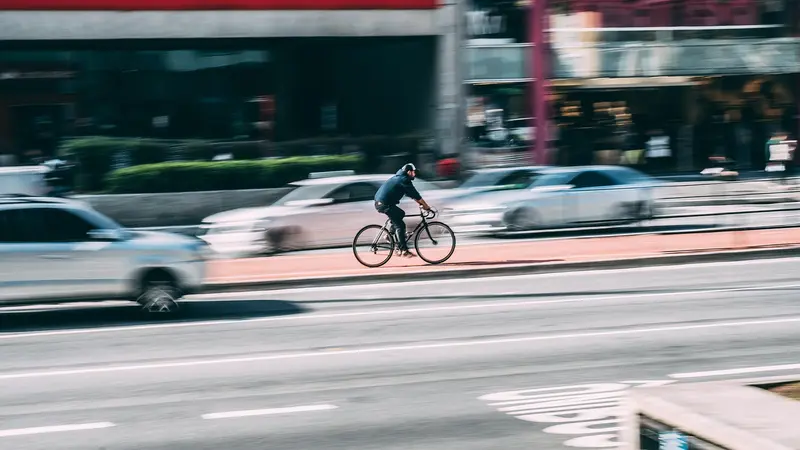
How We'll Get Around Cities in 2050
Stuck in traffic
1 / 8
Model script
Good morning. This morning, my bus was stuck in traffic for twenty minutes. I was late for my first class, again. While I was waiting, I started to wonder: how will we get around cities in 2050? Today, I'll make three predictions. For each one, I'll show you something that is already happening somewhere in the world. Then I'll talk honestly about what could go wrong.
Your recording
Say this slide out loud, then listen to yourself.
Recordings stay on this device and disappear when you leave the page.
Useful phrases
stuck in traffic
Not able to move because of too many cars.
I started to wonder
I began to ask myself.
already happening
Taking place now, not only in the future.
Words
Highlighted words are on this slide. Tap a word to look it up on Google.
Full script
Read the whole talk.
All slides in one place. Read it through once, then practice slide by slide.
01How We'll Get Around Cities in 2050
Good morning. This morning, my bus was stuck in traffic for twenty minutes. I was late for my first class, again. While I was waiting, I started to wonder: how will we get around cities in 2050? Today, I'll make three predictions. For each one, I'll show you something that is already happening somewhere in the world. Then I'll talk honestly about what could go wrong.
おはようございます。今朝、私の乗ったバスが20分も渋滞で動きませんでした。また1限に遅刻です。待っているあいだに、ふと考えました。2050年、私たちは街の中をどうやって移動しているのだろう?今日は3つの予測をお話しします。それぞれについて、世界のどこかでもう起きていることを紹介します。そのあとで、うまくいかないかもしれない点についても正直にお話しします。
02Cities Today
Let's start with today. In many big cities, we have the same problems: traffic jams, dirty air, and noise. And cars take up a lot of space. Think about your own family's car. How many hours a day does it actually move? Probably one or two. The rest of the time, it just sits in a parking space. In a crowded city, that's a lot of valuable land used for cars that aren't going anywhere.
まず、今の街から始めましょう。多くの大きな都市には、同じ問題があります。渋滞、汚れた空気、そして騒音です。それに、車は場所をたくさん取ります。自分の家の車を思い浮かべてみてください。1日に何時間、実際に動いているでしょうか。たぶん1〜2時間です。それ以外の時間は、駐車場にとまっているだけです。混み合った都市では、どこにも行かない車のために、貴重な土地がたくさん使われているのです。
03Prediction 1: Fewer Cars of Our Own
My first prediction is that fewer people will own a car. Instead, we'll use self-driving shared cars. This may sound like science fiction, but it's already happening. In March 2026, the company Waymo said it was giving about 500,000 paid rides a week in cars with no driver, across ten cities in the United States. You call one with your phone, ride to where you're going, and just get out. The car drives away to pick up the next person, so it doesn't need a parking space.
1つ目の予測は、車を持つ人が減るということです。そのかわりに、自動で走る共有の車を使うようになるでしょう。SFのように聞こえるかもしれませんが、もう現実になっています。2026年3月、Waymo という会社は、運転手のいない車で、アメリカの10の都市で、週に約50万回の有料の乗車を行っていると発表しました。スマホで1台呼んで、行きたいところまで乗って、降りるだけ。車は次の人を迎えに走っていくので、駐車場はいりません。
Source: Waymo, announcement of 500,000 weekly paid rides across ten U.S. cities (March 2026)
04Prediction 2: Streets for People
My second prediction follows from the first. If we don't need so many parking spaces, cities can give that space back to people. Again, one city has already tried this. Pontevedra, a small city in Spain, removed most cars from its center. According to the city, traffic in the center dropped by 97%, and there were no traffic deaths there from 2011 to 2020. I think by 2050, many more cities will look like this, with wide bike lanes, small parks, and streets for walking.
2つ目の予測は、1つ目から続くものです。駐車場がそれほどいらなくなれば、街はその場所を人に返せます。これも、もう試した都市があります。スペインの小さな都市ポンテベドラは、中心部からほとんどの車をなくしました。市によると、中心部の交通量は97%減り、2011年から2020年まで、そこでの交通事故の死者は一人もいませんでした。2050年までには、広い自転車レーンや小さな公園、歩くための道がある、こんな街がもっと増えると思います。
Sources: Santé publique France, "Pontevedra, Spain: pedestrians rule the roads, relegating cars to the sidelines" (interview, citing the City of Pontevedra); City of Pontevedra (Concello de Pontevedra), urban mobility model
05Prediction 3: One App for Every Trip
My third prediction is about how we plan trips, and this one is more of a guess. Today, I use one app for the train, another for the bus, and another for renting a bike. In 2050, I think one app will plan your whole trip. It might say, "Take a bike to the station, a train into the city, and a shared car for the last part." And you'll pay once for everything. If it's easier than owning a car, more people will choose it.
3つ目の予測は、移動の計画の立て方についてで、これはもう少し予想に近いものです。今の私は、電車に1つ、バスに1つ、自転車を借りるのにまた1つと、別々のアプリを使っています。2050年には、1つのアプリが移動の全部を計画してくれると思います。たとえば「駅まで自転車、街まで電車、最後は共有の車で」と教えてくれるかもしれません。そして、お金は1回まとめて払うだけです。車を持つより簡単なら、それを選ぶ人は増えるでしょう。
06What Could Go Wrong
Of course, this future has risks. It could be expensive. Many taxi and bus drivers could lose their jobs. Self-driving cars could be hacked. And people who don't use smartphones, like some older people, could be left behind. Even Pontevedra has critics. Some people say the traffic didn't disappear, it just moved to the roads outside the center. A good plan has to deal with all of these problems, not just the exciting parts.
もちろん、この未来にはリスクもあります。お金がかかるかもしれません。多くのタクシーやバスの運転手が仕事を失うかもしれません。自動運転の車が乗っ取られる(ハッキングされる)おそれもあります。そして、お年寄りなどスマホを使わない人が取り残されるかもしれません。ポンテベドラにも批判はあります。車はなくなったのではなく、中心部の外の道に移っただけだ、と言う人もいるのです。いい計画は、わくわくする部分だけでなく、こうした問題すべてに向き合う必要があります。
Source: Associated Press, "Spanish city offers a road map for a future with far fewer cars"
07My Guess at the Timeline
So when will this happen? This is just my guess, so please don't hold me to it. By 2030, I think driverless taxis will be common in many more cities, not just in the United States. By 2040, many city centers will be mostly car-free, like Pontevedra today. And by 2050, using a shared car will feel as normal as taking the bus. Owning your own car in the city might feel a bit like owning a horse does today: possible, but unusual.
では、これはいつ実現するのでしょうか。これはあくまで私の予想なので、当たらなくても許してください。2030年までには、アメリカだけでなく、もっと多くの都市で運転手のいないタクシーが当たり前になると思います。2040年までには、今のポンテベドラのように、多くの街の中心部がほとんど車の走らない場所になるでしょう。そして2050年には、共有の車を使うことが、バスに乗るのと同じくらい当たり前に感じられるはずです。街で自分の車を持つことは、今で言えば馬を持つようなものになるかもしれません。できなくはないけれど、めずらしい、という感じです。
08Not Faster Cars. Fewer Cars.
To wrap up, driverless taxis and car-free city centers are not just dreams. They already exist in some places. So I believe the future of city travel is not about faster cars. It's about fewer cars. If my predictions are right, the bus I was stuck on this morning won't be stuck anymore, and I won't be late for class. Thank you for listening, and I'm happy to take your questions.
まとめると、運転手のいないタクシーも、車のない街の中心部も、ただの夢ではありません。もう実際にある場所があります。だから私は、街の移動の未来は、速い車ではなく、少ない車にあると信じています。もし私の予測が当たれば、今朝私が乗っていて動けなかったバスも、もう渋滞で止まることはなく、私も授業に遅れずにすむでしょう。ご清聴ありがとうございました。ご質問があればどうぞ。
Sources: Waymo, announcement of 500,000 weekly paid rides across ten U.S. cities (March 2026); Santé publique France, "Pontevedra, Spain: pedestrians rule the roads, relegating cars to the sidelines" (interview, citing the City of Pontevedra)
More Travel & Places presentations



Cover photo by Pexels on Pixabay
Slide photos by pixaoppa, Michael_Luenen on Pixabay