支持或反對某個想法的簡報。很多題目都有正方和反方兩篇,可以比較雙方怎麼用理由和證據來建立論點。
共33課免費教材。每張投影片都有示範講稿、中文翻譯、音檔和實用句型。可以一頁一頁練習,也可以參考架構準備自己的簡報。
Why It's Time to Move Beyond Zoos
Environment & Nature
#345
A five-minute opinion talk: argue that zoos should slowly be replaced, support each reason with real research, answer the conservation argument fairly, and propose a realistic plan. Practice citing studies, rebuttals, and separating facts from your own ideas.
Why Good Zoos Still Matter
#344
A five-minute opinion talk: argue that zoos should continue, using real rescue stories as evidence, admit the strongest research against zoos, and answer it with a clear standard. Practice evidence-based reasons, conceding a point, and a careful conclusion.
Right to Repair: Good Goal, but Let's Be Careful
Science & Technology
#326
A five-minute opinion talk: accept the goal of a right to repair but argue for careful limits, using real fire data, EU rules, and the strongest report on the other side. Practice concession, raising practical concerns with evidence, and proposing limits.
Why We Need a Right to Repair Our Devices
#325
A five-minute opinion talk: argue for a right to repair using a UN e-waste report, real EU rules, and a U.S. government report. Admit the strongest safety concern and answer it. Practice evidence-based reasons, conceding a point, and a clear conclusion.
Why the Voting Age Should Stay at 18
Society & Politics
#320
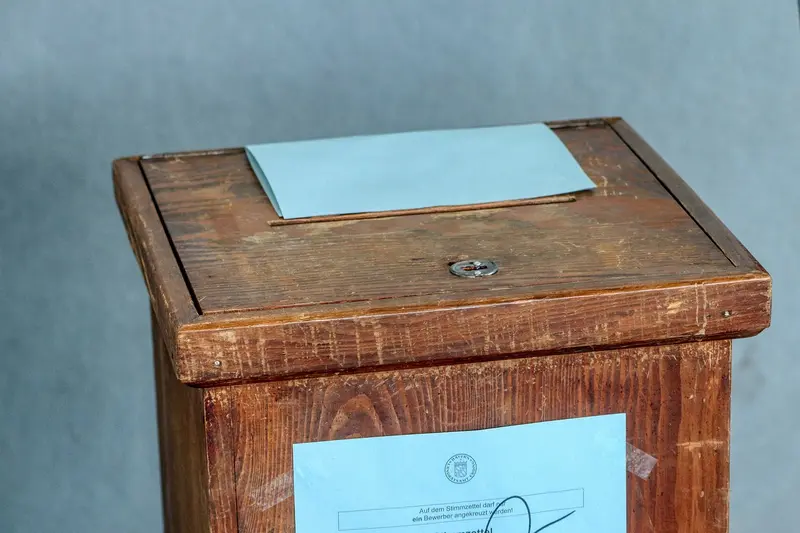
A five-minute opinion talk: argue that the voting age should stay at 18 while respecting real evidence on the other side, including research from Austria and a study of teenage brains. Practice concession, separating facts from your own view, and proposing alternatives.
Why 16-Year-Olds Should Be Allowed to Vote
#319
A five-minute opinion talk: argue for votes at 16 using real cases from Austria, Malta, Scotland, and the UK, plus research on turnout, vote choice, and teenage brains. Admit the strongest concern and answer it with the same research. Practice evidence-based reasons, conceding a point, and a clear conclusion.
Why a Ban on Ticket Resale Profits Won't Work
Entertainment & Sports
#302
Argue against a popular rule by focusing on practical results, and offer a better solution. Practice concession, cause-and-effect reasoning, and alternatives.
Why Concert Tickets Shouldn't Be Resold Above Face Value
#301
Argue for a rule on ticket resale with clear reasons and a response to critics. Practice persuasive structure, examples, and strong conclusions.
Calories on Every Menu? Why I'm Not Convinced
Health & Mind
#297
Argue against a popular health policy in a careful, balanced way. Practice conceding points, raising concerns, and suggesting alternatives.
Why Restaurants Should Show Calories on Their Menus
#296
Argue for a food policy using real laws from two countries. Practice citing policy examples, giving reasons, and answering criticism.
Pay Ranges, Yes. Everyone's Salary in Public, No
Work & Careers
#291
Argue against full salary openness while accepting part of the other side. Practice concession, drawing a clear line, and careful reasoning.
Why Companies Should Be Open About Pay
#290
Argue for pay transparency using a real EU law as an example. Practice building an argument, citing policy, and answering objections.
Why Primary Schools Should Keep a Little Homework
School & Learning
#259
Argue against removing homework by accepting the research honestly and focusing on its other purposes. Practice concession, nuanced reasoning, and proposing a better design.
Why Primary Schools Should Stop Giving Homework
#258
Argue for an education policy using research carefully, and respond to parents' concerns. Practice persuasive argument, citing research, and concession.
Why Museums Shouldn't Always Be Free
Culture & History
#246
Argue against a popular policy while accepting its good points, question how evidence is interpreted, and offer an alternative. Practice concession, critical thinking, and rebuttal.
Why Museums Should Be Free for Everyone
#245
Argue for a cultural policy using a real example and data, and respond to the strongest objection. Practice persuasive argument and using evidence.
Why Our City Shouldn't Rush Into Self-Driving Cars
#153
Argue for a slower path with real data on fatal crash rates, a robotaxi failure, and who produces the safety evidence, then answer the strongest argument for moving fast.
Why Our Cities Should Welcome Self-Driving Cars
#152
Argue for self-driving cars with real crash data, road safety statistics, and the needs of people who can't drive, then answer the strongest objection.
Why Voting Should Stay a Free Choice: Fix the Barriers, Not the Voters
#119
Argue against a policy with real evidence, take the other side's best study seriously, and offer a better alternative.
Why Voting Should Be Compulsory: Lessons From Australia and Belgium
#118
Argue for a policy with real evidence from Australia, Belgium, and the Netherlands, and answer the strongest objection fairly.
Why Esports Belong in the Olympics
#048
A five-minute opinion talk: use real viewer numbers, the Olympics' own history of adding youth sports, and esports medals at the Asian Games to argue that esports belong in the Olympics, while answering the strongest objections about violence and health.
Why Esports Should Stay Out of the Olympics
#047
A five-minute opinion talk: use the end of the Overwatch League, the changing game list at the Asian Games, the IOC's own red line on violent games, and a health study to argue that esports should stay out of the Olympics, while answering the strongest argument about their huge audience.
Why a University Degree Is Still Worth It
#039
A five-minute opinion talk: argue that a degree is still worth it for most people, using U.S. earnings data, hiring research, and a large study of job networks. Admit the strongest evidence against and turn it into advice. Practice evidence-based reasons, conceding a point, and a clear conclusion.
Why a University Degree Isn't Always Worth It
#038
A five-minute opinion talk: argue that university should be a choice, not a default, using real data on student debt, underemployment, and apprenticeships. Admit the strongest evidence for degrees and use it to give careful advice. Practice concession, evidence-based reasons, and a balanced conclusion.
Why Social Media Needs a Real Age Limit
#031
A five-minute opinion talk: argue for a real, enforced minimum age for social media, using the U.S. Surgeon General's advisory and Australia's new law. Admit the strongest research against and answer it carefully. Practice evidence-based reasons, conceding a point, and a clear conclusion.
Why a Social Media Ban Is the Wrong Answer
#030
A five-minute opinion talk: argue that strict social media bans for teenagers may cause more problems than they solve, using real research and recent events. Admit the strongest evidence for age limits and propose a safer alternative. Practice concession, evidence-based reasons, and a balanced conclusion.
Why Small Habits Matter More Than Big Goals
Daily Life
#029
A five-minute opinion talk: argue that small daily habits matter more than big goals, using real research on how long habits take to form and why simple if-then plans work. Admit the strongest evidence for goals and combine both ideas. Practice evidence-based reasons, conceding a point, and practical advice.
Why Cities Still Need Cars
#017
Argue against a popular idea by pointing out who it leaves behind. Practice talking about fairness, real-world limits, and a balanced alternative.
Teach AI, Don't Ban It: Why Schools Should Welcome AI
#016
A five-minute opinion talk: argue that schools should teach AI instead of banning it, using a student survey, a Harvard experiment, and a jobs report as evidence. Admit the strongest study against AI and use it to build clear rules. Practice evidence-based reasons, conceding a point, and a careful conclusion.
Basics First: Why Schools Should Limit AI
#015
A five-minute opinion talk: argue that schools should limit AI until students build basic skills, using real research on learning, critical thinking, and AI mistakes. Admit the strongest study on the other side and use it to propose a careful approach. Practice cautious language, conceding a point, and a balanced alternative.
The Four-Day Work Week: The Case Against
#013
Argue against a popular idea while showing you understand why people like it. Practice counterarguments, questioning evidence, and offering an alternative.
Is the Four-Day Work Week the Future?
#006
Build an argument with history and real evidence, then admit the limits. Practice formal linking phrases and a clear position statement.
Should Cities Be Designed for Cars or People?
#001
Challenge a common idea and support your opinion with real examples. Practice persuasive language and a strong ending.